
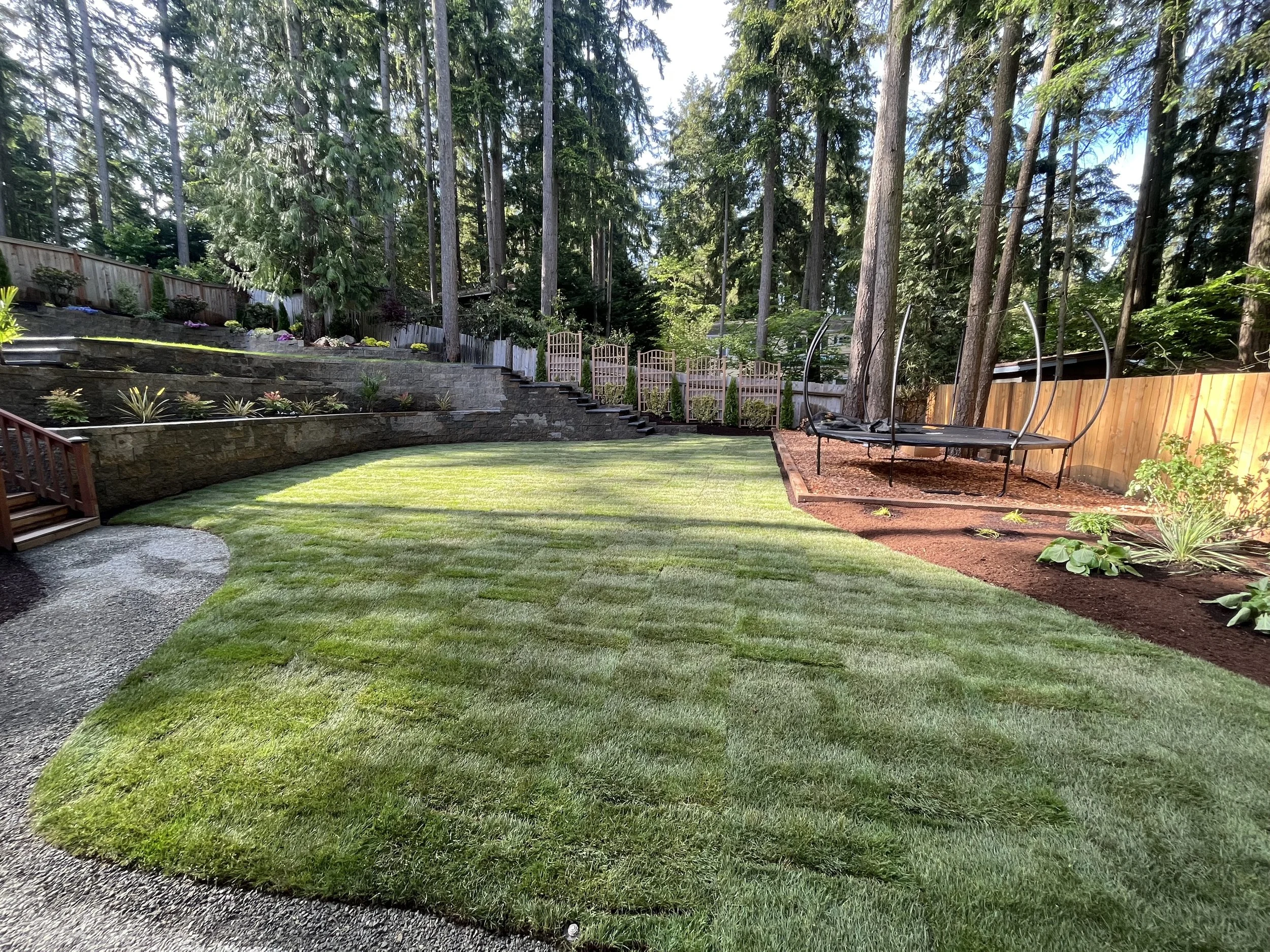
Tree Planting Services in Bellevue, WA
Tree Planting Services, Bellevue
Most people buy a tree, dig a hole, and just drop it in. Then they wonder why it looks half-dead by August. This is where most tree-planting efforts go off track, and it’s not because of the tree. There is more to planting a tree than merely putting it in the ground. Choosing the appropriate location, depth, and tree for your actual residence is crucial. Get those things right, and a tree can literally thrive for decades with almost no effort. Get them wrong, and you're replacing them in two summers.
At NW Classics, we do tree planting the right way.
The Right Tree for the Right Place
Not every tree works in every yard. That sounds obvious, but you'd be surprised how many people plant a tree that grows 60 feet tall right under a power line. Or pick something that looks great in spring but turns into a pest-magnet by fall.
We begin by examining your real space. How much sunlight does it receive? What's the soil like? Are there underground lines or overhead wires nearby? Is this spot close to a fence or a foundation?
Then we help you choose a tree that actually fits. Not just something that looks nice at the nursery, but something that makes sense long-term for your yard and your climate here in Bellevue.
Planting Depth Matters More Than You Think
Here's something most people don't know. Planting a tree even two or three inches too deep can slowly kill it. The root flare, that widened area right at the base of the trunk, needs to sit at or just above the soil line.
If you bury it too deeply, the bark will begin to decompose underground. The tree gradually deteriorates, and by the time you realize something is wrong, the harm has already been done.
We make sure every tree goes in at the right depth. Additionally, we ensure that the planting hole is not bucket-shaped, provide the roots adequate room to expand, and soften the surrounding soil. That all makes a big difference.
Soil Prep and Mulching
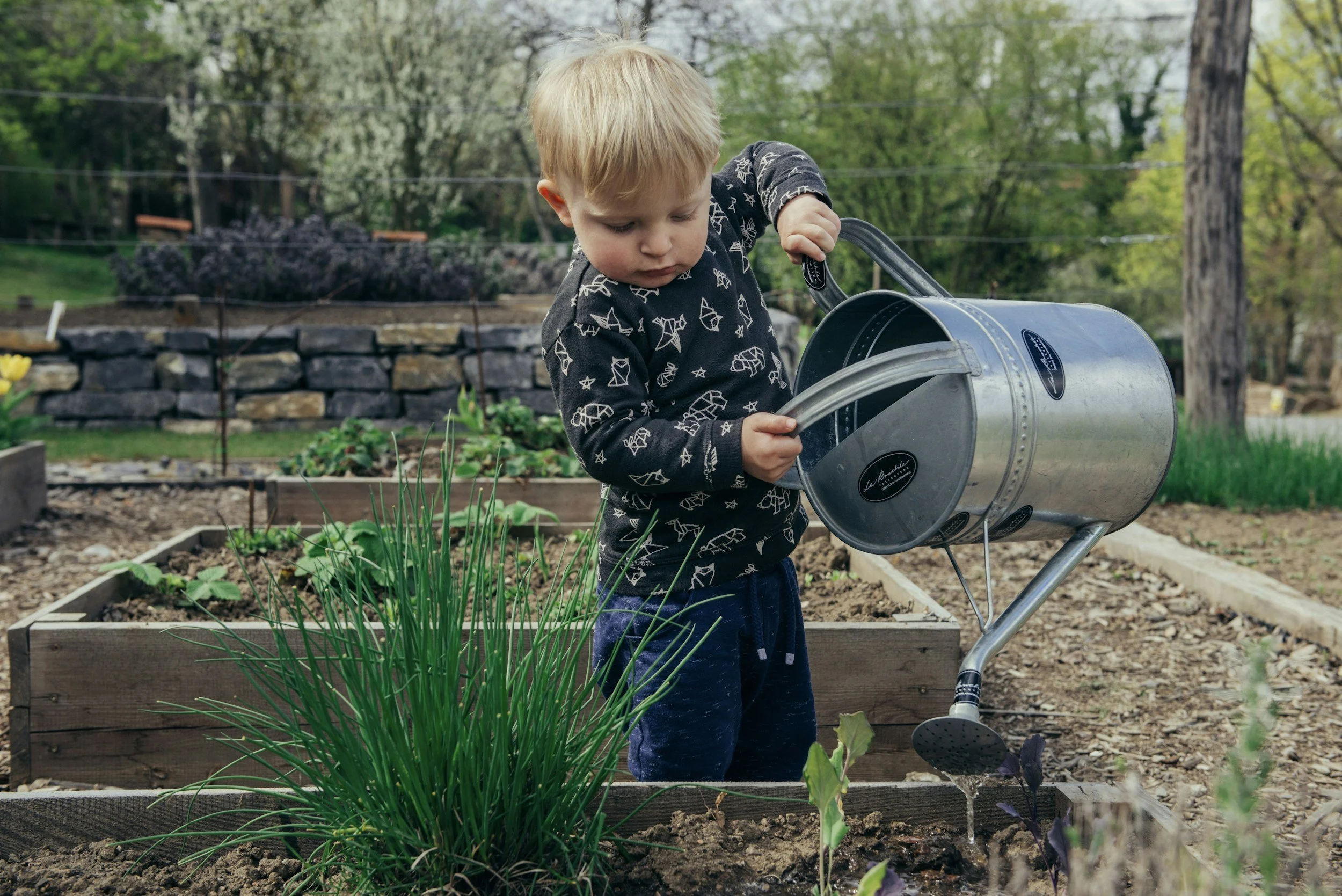
Good soil prep is like giving a tree a running start. We start by examining what you're using. In certain areas, Bellevue soil can be dense and compacted, particularly in yards that have undergone building. That kind of soil drains poorly and just chokes new roots before they get established.
So we amend where it's needed. We break up compacted ground. If the soil requires it, we add the appropriate organic material.
Then we mulch. A well-formed ring of mulch surrounding a plant will retain moisture, reduce competition with grass growing nearby, and help to keep the soil temperature constant. Where the guidelines for applying mulch in a ring shape should be followed. What some refer to as a "mulch volcano", piling mulch up against the trunk, is truly dangerous. Instead, we spread the mulch widely and keep it away from the bark.
Staking: Only When It's Actually Needed
Not every tree needs to be staked. In fact, a lot of trees get over-staked, which can literally weaken the trunk because it never learns to move and strengthen on its own.
We only stake when it makes sense, like with a young, top-heavy tree in a windy spot. And when we do stake, we use the right method. Ties are loose enough to let the tree sway a little. Stakes come out once the roots are established, usually within a year.
It's a small detail. But it matters.
Watering After Planting
The most crucial years are the first two. A newly planted tree is just getting its root system going. It needs consistent water, especially during Bellevue's dry summers.
We set you up with a clear watering plan before we leave. Deep, slow watering a couple of times a week beats a quick daily sprinkle every time. If you already have an irrigation system, we can even tie the tree's watering zone into it so you don't have to think about it.
Serving Bellevue and the Greater Eastside
We work with homeowners all across Bellevue and the surrounding Eastside communities. We know the soil here. We know what trees do well in this climate. And we know how Bellevue summers can stress a newly planted tree if it's not set up properly.
So if you're thinking about adding a tree to your yard, just reach out. We'll come out, take a look, and tell you exactly what makes sense for your space. No pressure. Nor overcomplicated pitch. Just work that is reliable and honest.
That's how we do things at NW Classics.
Frequently Asked Questions
-
Fall is actually the best time, honestly. The weather cools down, the roots get to settle in without the stress of summer heat, and by spring, the tree is already established. Early spring is also a good time to plant, as long as you water regularly when summer arrives.
-
It depends on the size of the tree, the site conditions, and what soil prep is needed. We come out and give you a straight quote before any work begins. No guessing.
-
Absolutely. Some homeowners just want help with soil prep, hole sizing, or a planting consult so they know they're doing it right. We're happy to work with you, however it makes sense.
-
Both. If you already have a tree picked out, great, we'll plant it properly. If you're still deciding, we're happy to help you choose something that actually fits your space.
-
That's always a conversation worth having upfront. We plant with care and give you the right aftercare guidance. Most trees do just fine when they go in correctly. If something does go wrong, we'll talk through it with you honestly.
-
It truly depends on the kind of tree. Smaller ornamental trees can sit 10 to 15 feet apart. Larger shade trees usually need 20 to 30 feet of breathing room. Plant them too close, and they end up competing for light, water, and space as they grow. We look at your yard and just tell you exactly what works before anything goes in the ground.
Serving Bellevue and the Greater Eastside
NW Classics serves Bellevue, Kirkland, Medina, Clyde Hill, Yarrow Point, Hunts Point, Mercer Island, Redmond, Issaquah, Sammamish, Bothell, Kenmore, Woodinville, Newcastle, Renton, and select Greater Seattle neighborhoods.
Contact
So, why waste your time? Contact us today through our website or call us at 425-866-3900 to book a consultation! Follow us for more updates.